
Hair thinning is often linked to genetics or hormonal imbalance, but internal organ health—especially liver function—plays a crucial role in hair growth and maintenance. The liver is responsible for detoxification, nutrient metabolism, and hormone regulation. When liver function is compromised, hair follicles may be one of the first systems to suffer.
Why the Liver Is Important for Hair Health
The liver performs over 500 vital functions, many of which directly impact hair growth:
- Metabolizes proteins, vitamins, and minerals needed for hair
- Regulates hormones (including androgens)
- Detoxifies harmful substances
- Supports blood circulation and oxygen delivery
When liver health declines, nutrient delivery to hair follicles is reduced, leading to thinning.
Can Liver Dysfunction Cause Hair Thinning?
Yes. Liver dysfunction can cause diffuse hair thinning and excessive shedding. This is usually non-scarring and presents as overall loss of density rather than patterned baldness.
Hair thinning related to liver issues is often secondary and potentially reversible if the underlying condition is treated early.
How Liver Dysfunction Leads to Hair Thinning
1. Poor Nutrient Absorption and Storage
The liver stores and activates key nutrients such as iron, vitamin A, D, B12, folate, and proteins. Liver disease can lead to deficiencies that weaken hair shafts and slow growth.
2. Hormonal Imbalance
Impaired liver function affects hormone metabolism, leading to excess circulating androgens or estrogen imbalance, both of which can disrupt the hair growth cycle.
3. Toxin Accumulation
A poorly functioning liver cannot efficiently remove toxins, which may damage hair follicles and trigger inflammation.
4. Chronic Inflammation and Stress
Liver disease is associated with systemic inflammation, which can push hair follicles into the resting (telogen) phase, causing telogen effluvium.
Liver Conditions Commonly Associated with Hair Thinning
Hair thinning may be seen in individuals with:
- Fatty liver disease (NAFLD)
- Hepatitis (viral or autoimmune)
- Alcohol-related liver disease
- Cirrhosis
- Cholestatic liver disorders
Severity of hair loss often correlates with disease duration and nutritional status.
Symptoms That May Accompany Hair Thinning
Hair thinning due to liver dysfunction may occur along with:
- Chronic fatigue
- Jaundice (yellowing of eyes/skin)
- Unexplained weight loss
- Digestive issues
- Swelling of legs or abdomen
- Skin changes or itching
Hair thinning can sometimes appear before obvious liver symptoms.
Diagnosing Liver-Related Hair Thinning
A proper medical evaluation may include:
- Liver function tests (LFTs)
- Ultrasound or imaging
- Nutritional deficiency screening
- Hormonal evaluation
- Dermatological scalp examination
Accurate diagnosis prevents unnecessary cosmetic treatments.
Treatment: Can Hair Thinning Be Reversed?
1. Treat the Underlying Liver Condition
Hair recovery depends primarily on improving liver health through:
- Medical management
- Lifestyle modification
- Dietary correction
- Avoidance of alcohol and hepatotoxic drugs
2. Nutritional Support
Correcting deficiencies of protein, iron, zinc, and vitamins is essential for hair regrowth.
3. Medical Hair Treatments (If Needed)
Once liver function stabilizes:
- Topical or oral therapies may be considered
- PRP therapy in selected patients
Cosmetic treatments should never precede medical stabilization.
How Long Does Hair Recovery Take?
After liver health improves:
- Hair fall reduces in 6–10 weeks
- New growth may appear in 3–4 months
- Visible density improvement occurs in 6–9 months
Recovery varies depending on disease severity.
Liver Dysfunction vs Genetic Hair Loss
| Feature | Liver Dysfunction | Genetic Hair Loss |
|---|---|---|
| Pattern | Diffuse thinning | Patterned |
| Onset | Sudden or progressive | Gradual |
| Reversible | Often yes | Progressive |
| Primary Treatment | Medical | Medical/Surgical |
Frequently Asked Questions
Can liver problems cause hair thinning?
Yes. Liver dysfunction can disrupt nutrient metabolism and hormone balance, leading to hair thinning.
Is hair loss from liver disease permanent?
Often no. Hair may regrow once liver health and nutrition improve.
Can fatty liver cause hair thinning?
Yes. Fatty liver disease can contribute to hair thinning due to metabolic and nutritional effects.
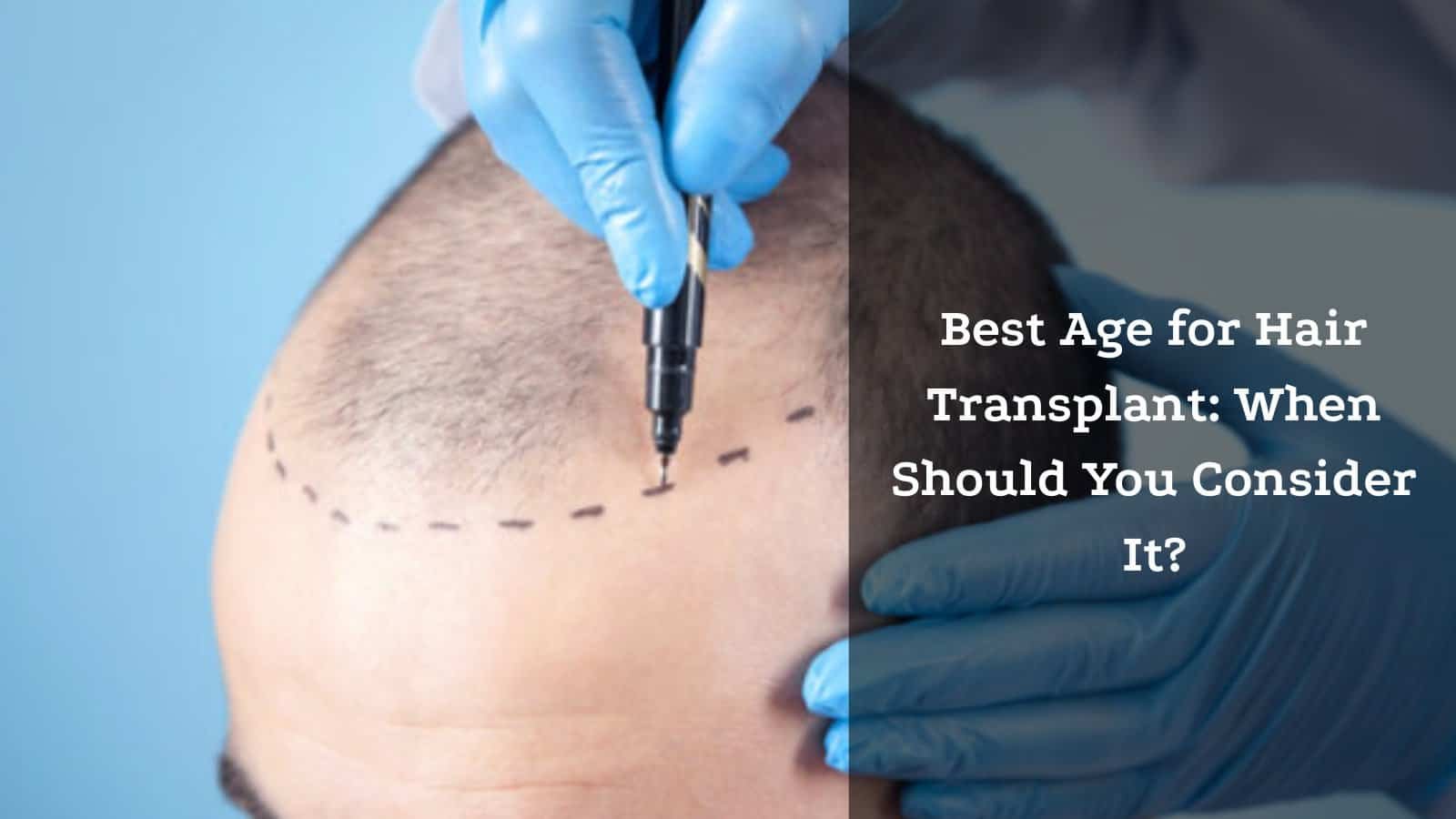
Should I consider hair transplant if I have liver disease?
No. Underlying liver issues must be treated first.
Final Thoughts
Hair thinning can be an early external sign of internal liver dysfunction. Addressing the root medical cause not only improves overall health but also restores hair growth naturally.
Early diagnosis, proper treatment, and patience are key to recovery.