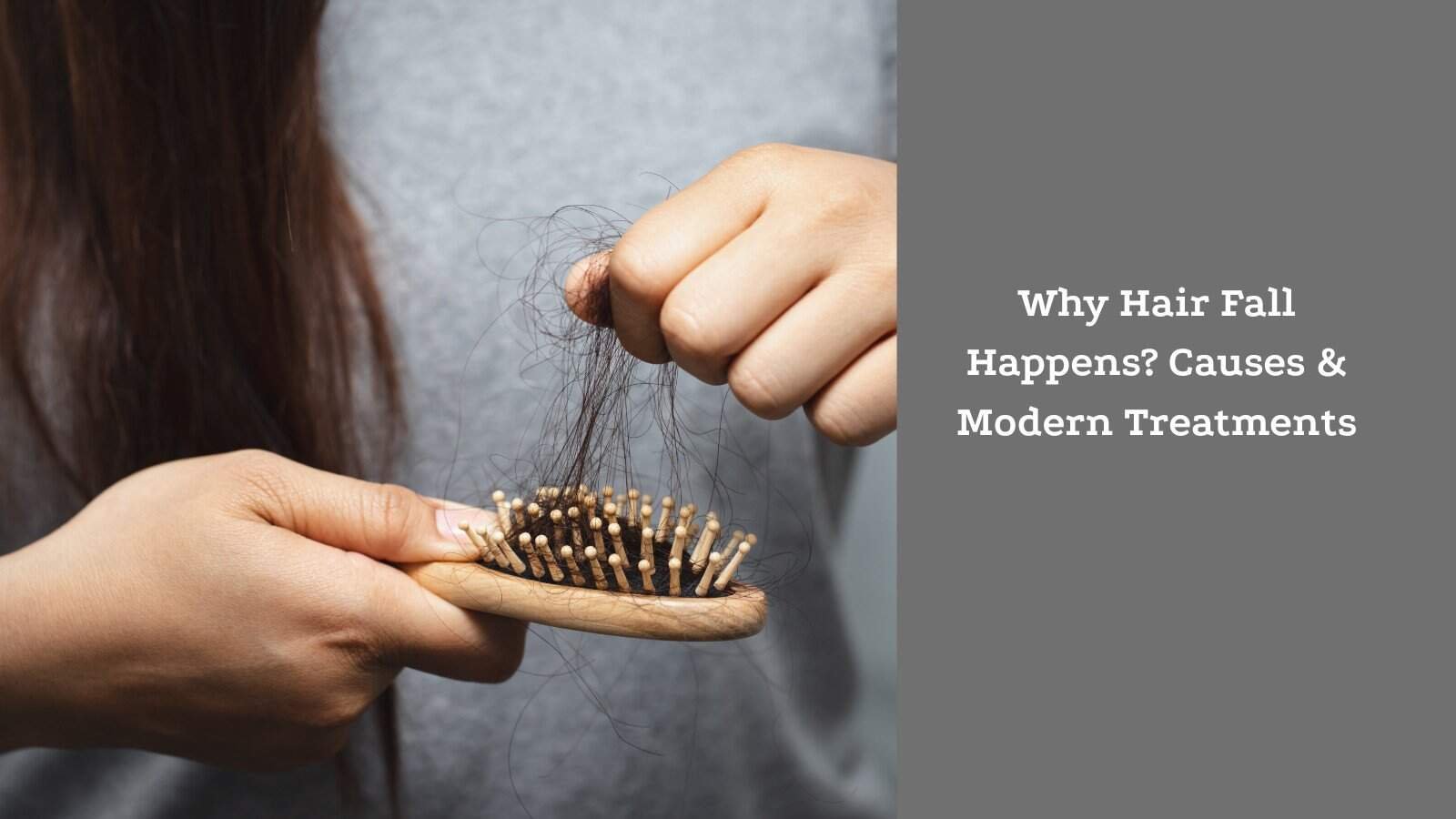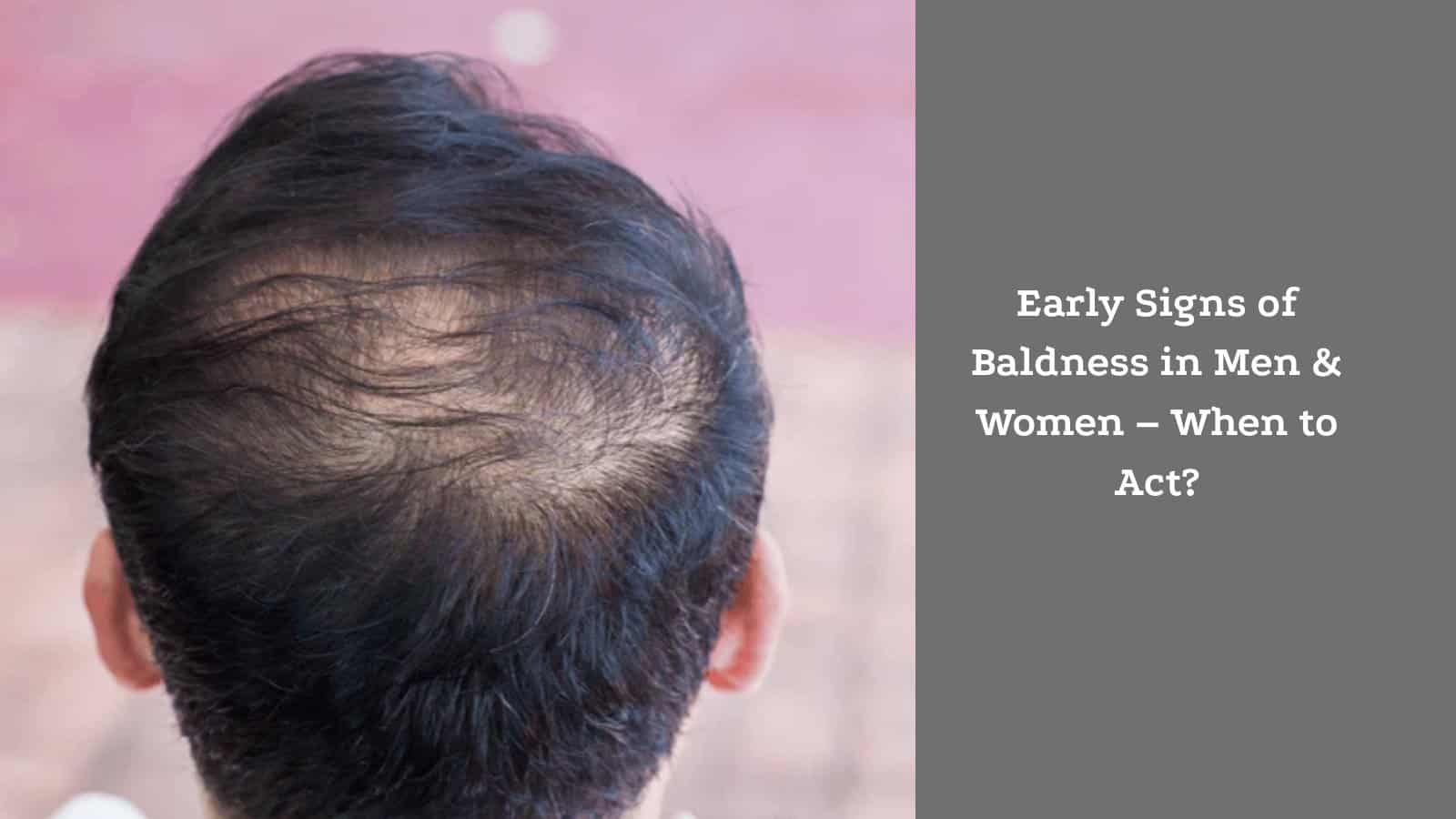

Healthy hair growth depends on a balanced, well-nourished scalp. When the scalp becomes inflamed, hair follicles are disrupted, weakened, and pushed into premature hair shedding, making scalp inflammation a significant but often underestimated cause of hair loss.
What Is Scalp Inflammation?
Scalp inflammation refers to an immune or inflammatory response affecting the scalp skin and hair follicles. It may be acute or chronic and is often associated with redness, itching, scaling, pain, or burning sensations.
When inflammation persists, it interferes with the normal hair growth cycle.
Can Scalp Inflammation Cause Hair Loss?
Yes. Chronic scalp inflammation can directly cause hair thinning and hair loss. Inflammation damages hair follicles, restricts blood supply, and alters the growth cycle, leading to excessive shedding or even permanent follicle damage in severe cases.
Early treatment is crucial to prevent irreversible hair loss.
How Scalp Inflammation Leads to Hair Loss
1. Damage to Hair Follicles
Inflammatory cells release cytokines that weaken the hair follicle structure, reducing its ability to produce strong hair strands.
2. Disruption of the Hair Growth Cycle
Inflammation pushes hair follicles prematurely from the growth phase (anagen) into the shedding phase (telogen), resulting in telogen effluvium.
3. Reduced Blood Flow and Oxygen Supply
Inflamed scalp tissue compromises microcirculation, depriving follicles of oxygen and nutrients required for growth.
4. Scalp Barrier Breakdown
Inflammation weakens the scalp’s protective barrier, increasing susceptibility to infections, dandruff, and further irritation.
Common Scalp Conditions That Cause Inflammation and Hair Loss
Seborrheic Dermatitis
Characterized by greasy scales, dandruff, and redness. Chronic inflammation can cause temporary hair shedding.
Psoriasis of the Scalp
Autoimmune inflammation leading to thick plaques, itching, and potential hair loss due to scratching and follicle stress.
Folliculitis
Inflammation or infection of hair follicles that may cause patchy hair loss if untreated.
Lichen Planopilaris
A scarring inflammatory condition that can lead to permanent hair loss if not managed early.
Allergic or Irritant Contact Dermatitis
Caused by hair dyes, shampoos, or chemical treatments, leading to scalp inflammation and shedding.
Symptoms of Scalp Inflammation
Scalp inflammation often presents with:
- Persistent itching or burning
- Redness or swelling
- Flaking or scaling
- Scalp tenderness or pain
- Increased hair shedding
- Patchy hair loss in severe cases
Hair loss may worsen if scratching continues.
Diagnosing Inflammation-Related Hair Loss
Proper diagnosis may include:
- Clinical scalp examination
- Trichoscopy (scalp microscopy)
- Blood tests to rule out nutritional or autoimmune causes
- Scalp biopsy in scarring alopecia cases
Correct diagnosis is essential before starting hair regrowth treatments.
Treatment: How to Control Scalp Inflammation and Prevent Hair Loss
1. Treat the Underlying Scalp Condition
Depending on the cause, treatment may include:
- Medicated shampoos
- Anti-inflammatory topical medications
- Antifungal or antibacterial treatments
- Immunomodulatory therapy for autoimmune conditions
2. Scalp Care and Lifestyle Modifications
- Avoid harsh hair products
- Reduce heat and chemical exposure
- Manage stress
- Maintain scalp hygiene
3. Hair Regrowth Treatments (After Inflammation Control)
Once inflammation is controlled:
- Medical hair therapies may be considered
- PRP therapy in selected cases
- Hair transplant only if inflammation is inactive
Active inflammation must always be treated first.
How Long Does Hair Regrowth Take?
After inflammation control:
- Hair fall reduces within 4–8 weeks
- Regrowth begins in 3–4 months
- Visible density improvement occurs in 6–9 months
Scarring conditions may not allow regrowth.
Scalp Inflammation vs Genetic Hair Loss
| Feature | Scalp Inflammation | Genetic Hair Loss |
|---|---|---|
| Hair Loss Pattern | Diffuse or patchy | Patterned |
| Symptoms | Itching, redness | Usually asymptomatic |
| Reversibility | Often yes | Progressive |
| Treatment Focus | Medical | Medical/Surgical |
Frequently Asked Questions
Can scalp inflammation permanently damage hair follicles?
Yes, chronic or scarring inflammation can permanently damage follicles if untreated.
Does dandruff cause hair loss?
Dandruff itself doesn’t cause hair loss, but severe inflammation and scratching can.
Can PRP help inflammatory hair loss?
PRP may help only after inflammation is controlled.
Should I get a hair transplant with scalp inflammation?
No. Inflammation must be inactive before surgery.
Final Thoughts: Healthy Scalp, Healthy Hair
Scalp inflammation is a treatable yet critical cause of hair loss. Early recognition and medical treatment not only protect hair follicles but also improve long-term hair density.
Ignoring scalp symptoms can turn reversible hair loss into permanent damage.