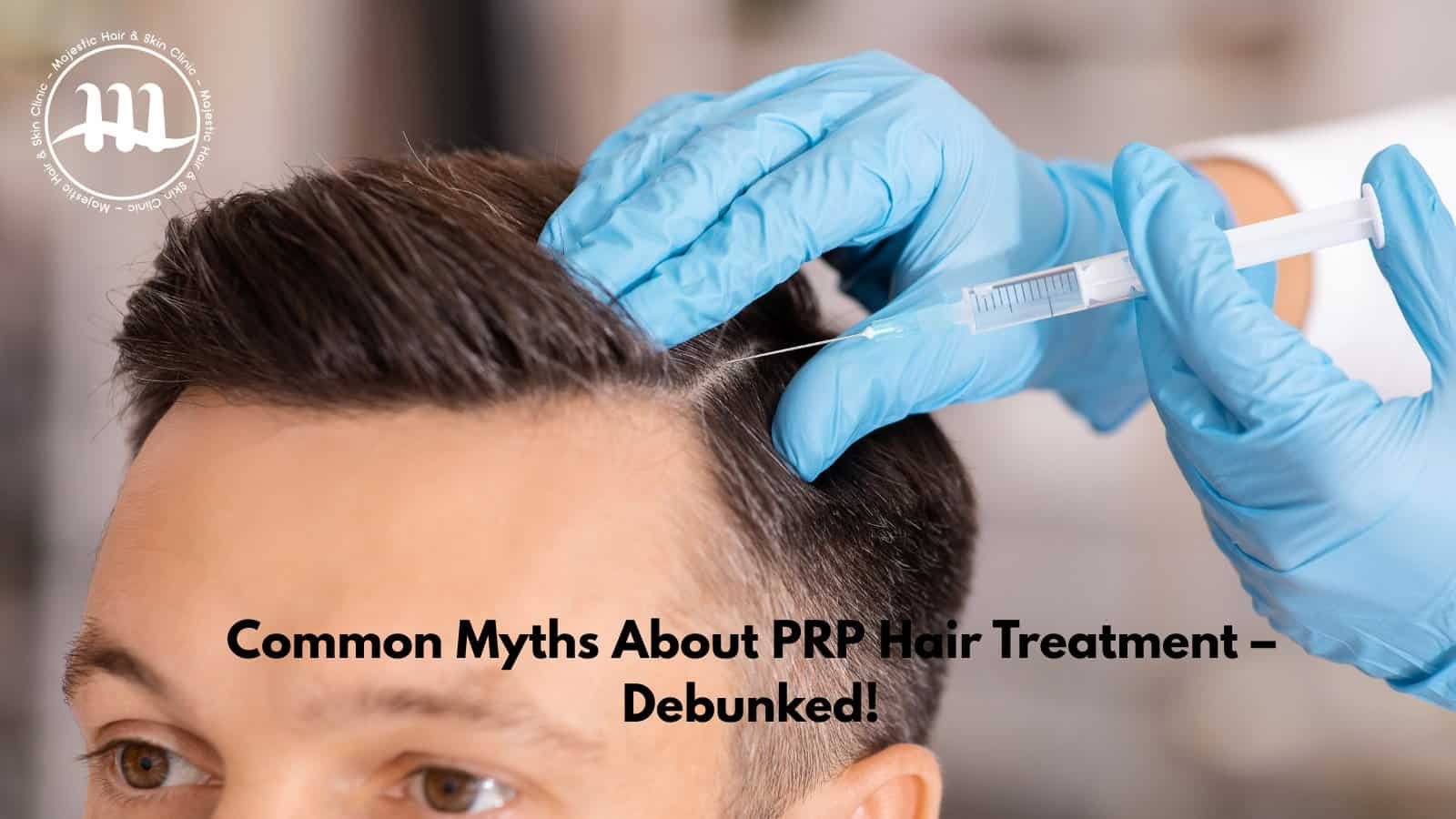


A receding or uneven hairline can significantly affect facial balance and self-confidence. A hairline transplant is one of the most precise and artistic forms of hair restoration, designed to recreate a natural, age-appropriate hairline using advanced hair transplant techniques.
What Is a Hairline Transplant?
A hairline transplant is a specialized hair transplant procedure that focuses on restoring or reshaping the frontal hairline. It involves transplanting healthy hair follicles from the donor area (usually the back of the scalp) to the front hairline to create a natural-looking frame for the face.
It can be performed using modern techniques such as:
- FUE Hair Transplant (Follicular Unit Extraction)
- FUT Hair Transplant (Follicular Unit Transplantation)
Who Is an Ideal Candidate for Hairline Transplant?
You may be a good candidate if you:
- Have a receding or M-shaped hairline
- Want to lower or correct an uneven hairline
- Have good donor hair density
- Have realistic expectations
- Are medically fit for the procedure
A detailed consultation is essential to assess current hair loss and future progression.
Hairline Design: The Most Critical Step
Hairline transplant success depends heavily on hairline design, which requires surgical skill and aesthetic judgment.
Key design principles include:
- Age-appropriate hairline placement
- Soft, irregular hairline (not straight)
- Correct angle and direction of hair growth
- Gradual density transition from front to back
A poorly designed hairline can look artificial even if graft survival is good.
Hairline Transplant Procedure (Step-by-Step)
1. Consultation & Hairline Planning
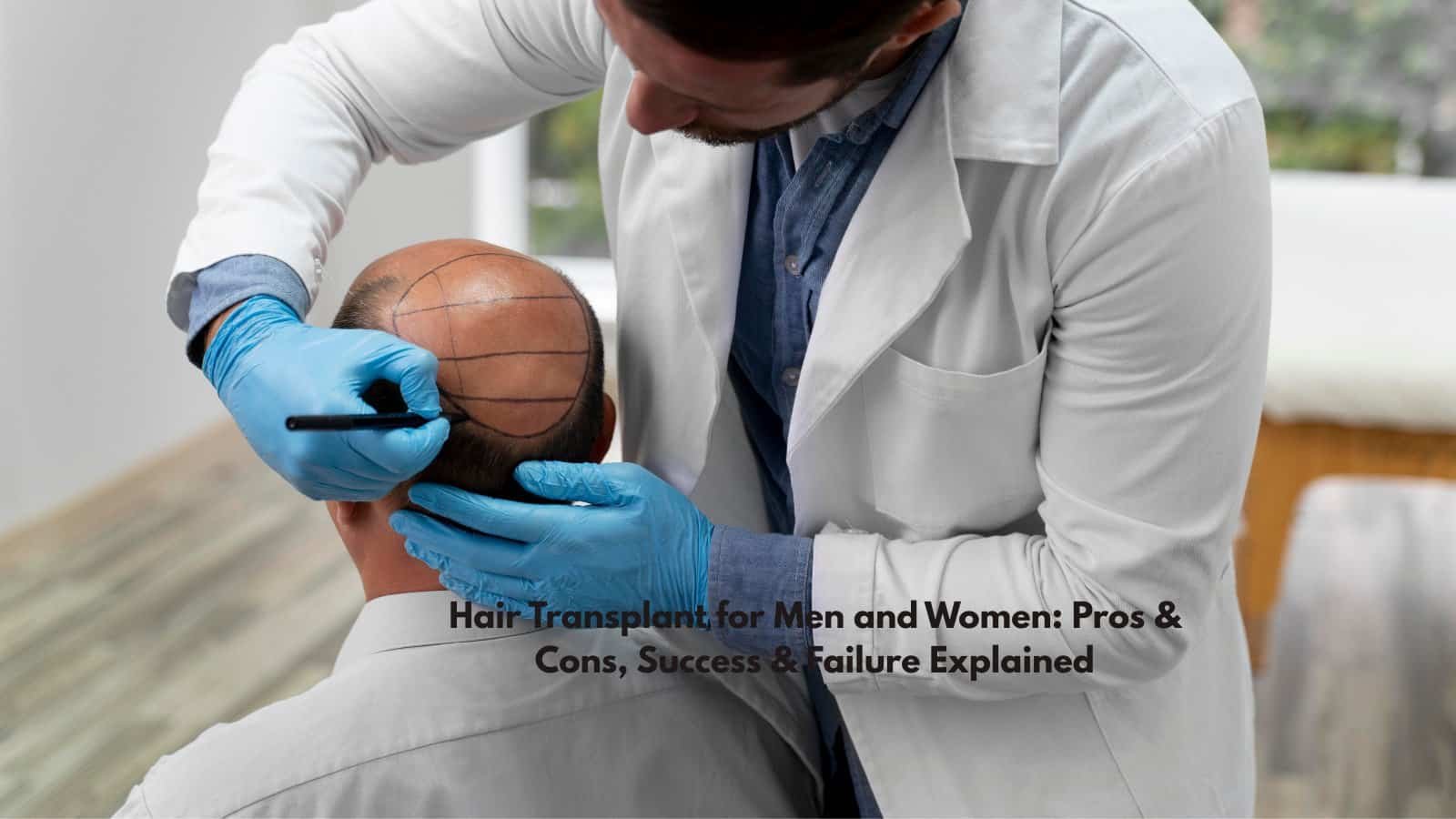
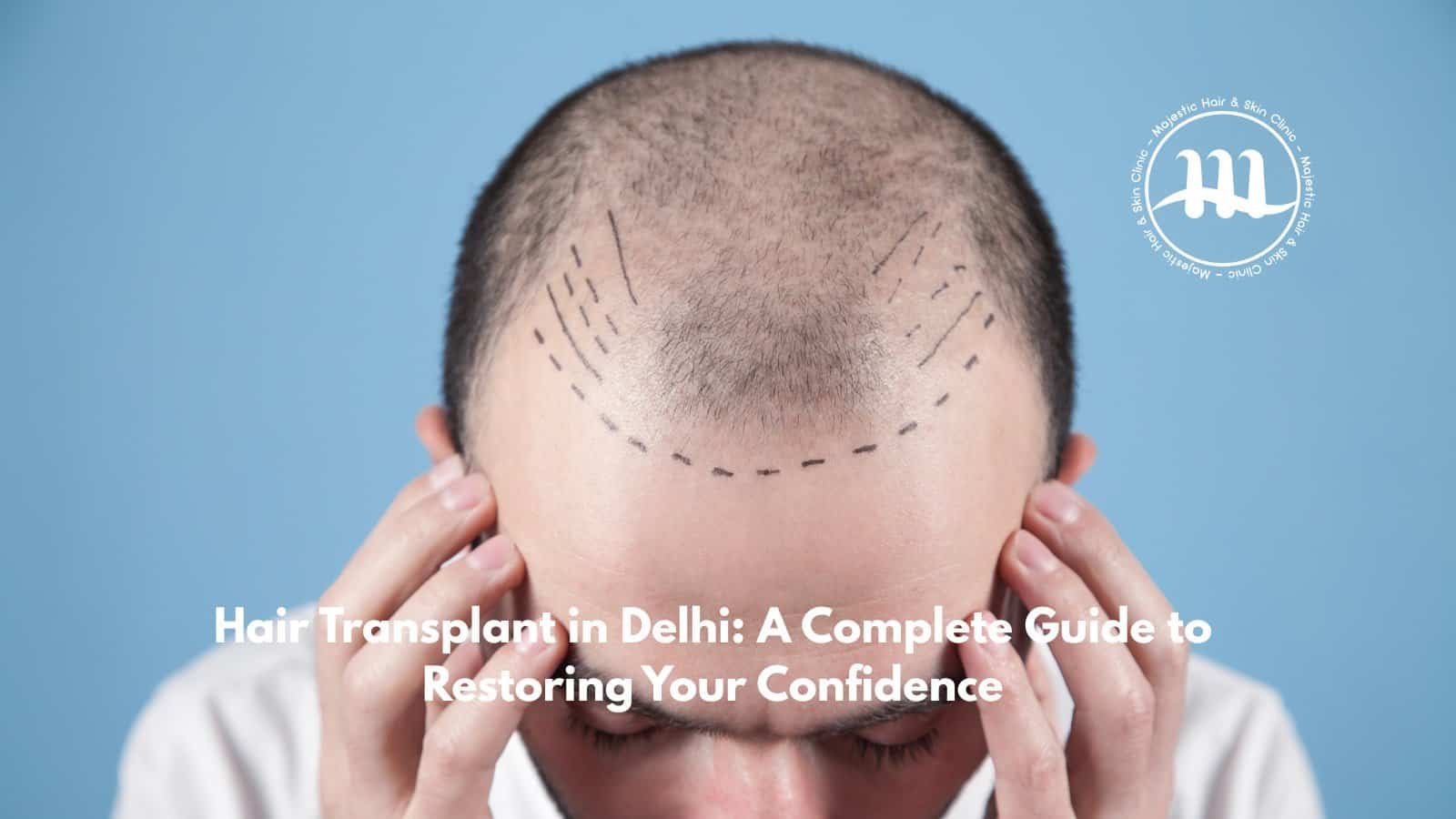
The surgeon evaluates facial proportions, hair loss pattern, and donor area before drawing a customized hairline.
2. Donor Area Preparation
The donor area is trimmed and local anesthesia is administered for a painless experience.
3. Graft Extraction
Using FUE or FUT, healthy follicular units are harvested carefully to ensure high survival.
4. Recipient Site Creation
Tiny incisions are made at the hairline with precise angles to mimic natural growth.
5. Graft Implantation
Single-hair grafts are placed in the front rows for a soft, natural appearance.
Hairline Transplant Before and After Results
- Initial shedding occurs within 2–4 weeks
- New growth starts at 3–4 months
- Visible improvement at 6 months
- Final results at 9–12 months
Natural results depend on surgeon expertise and post-operative care.
Hairline Transplant Cost in India
The hairline transplant cost in India varies depending on:
- Number of grafts required
- Technique used (FUE or FUT)
- Surgeon’s experience
- Clinic infrastructure
On average, costs range from ₹40,000 to ₹1,50,000+.
Hairline Transplant Recovery & Aftercare
Recovery is usually quick with modern techniques:
- Mild swelling for 2–3 days
- Scab shedding within 7–10 days
- Return to work in 3–5 days
Proper aftercare includes medication, gentle washing, and avoiding sun exposure initially.
Risks & Side Effects of Hairline Transplant
When performed by an experienced surgeon, risks are minimal. Possible temporary side effects include:
- Swelling
- Redness
- Itching
- Temporary shock loss
Serious complications are rare.
Hairline Transplant vs Hair Patch
| Feature | Hairline Transplant | Hair Patch |
|---|---|---|
| Surgery | Yes | No |
| Results | Permanent | Temporary |
| Maintenance | Minimal | Regular |
| Appearance | Fully natural | Cosmetic |
Frequently Asked Questions
Is hairline transplant permanent?
Yes. Transplanted hair is DHT-resistant and usually permanent.
How many grafts are needed for hairline transplant?
Typically 800–2,500 grafts, depending on hairline recession.
Will the hairline look natural?
Yes, if designed and performed by an experienced hair transplant surgeon.
Is hairline transplant painful?
No. The procedure is done under local anesthesia.
Can women undergo hairline transplant?
Yes. Hairline transplants are effective for both men and women.
Final Thoughts: A Hairline Frames Your Identity
A well-executed hairline transplant can dramatically enhance facial harmony and confidence. However, success depends on expert planning, ethical assessment, and precise execution.
Always consult a qualified hair transplant specialist who prioritizes natural design and long-term outcomes.