
Worried about thinning hair or visible bald spots? At Majestic Derma, we specialize in advanced, natural-looking hair transplants that restore your confidence. With 1,000+ successful procedures, our expert team ensures safe, lasting results using the latest techniques. Enjoy fuller hair, renewed self-esteem, and personalized care every step of the way. Book your appointment today and take the first step toward transforming your look!
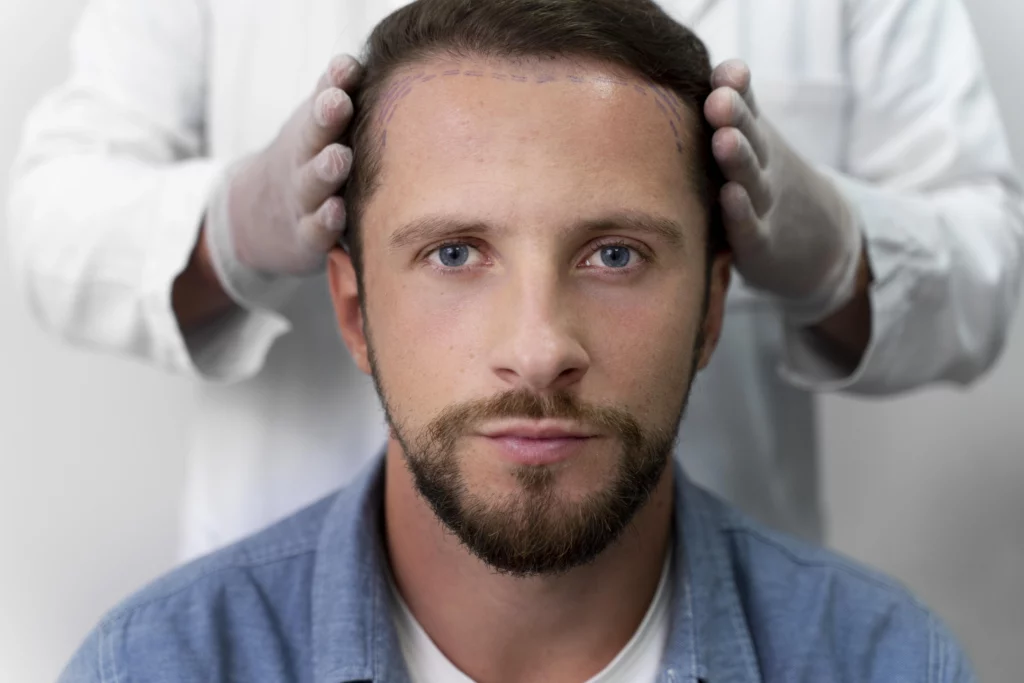
Transform Your Look with Advanced Hair Transplant in Delhi

What Is Hair Transplant?
A hair transplant is a surgical procedure that restores hair by moving healthy follicles to thinning or bald areas. It works on the principle of using your own donor hair for natural, permanent growth.
A hair transplant is a medical procedure that restores lost hair by moving healthy follicles from the donor area (usually the back of the scalp) to thinning or bald spots. It works on the principle of permanent follicle redistribution, ensuring natural growth.
Types of Hair Transplant:
- Follicular Unit Transplantation (FUT)
- Follicular Unit Extraction (FUE)
Ideal for men and women aged 25–60, this procedure usually takes 4–8 hours depending on coverage. In Delhi, modern techniques ensure a 90–95% success rate, delivering natural-looking, long-lasting results. Whether you’re battling receding hairlines or advanced baldness, hair transplants offer a trusted solution to regain confidence and a youthful look.
Hair Transplant Cost in Punjabi Bagh?
Benefits of Hair Transplant
A hair transplant offers permanent, natural-looking results that blend seamlessly with your existing hair. It’s not just about restoring hair—it’s about bringing back your self-confidence and everyday comfort.
- Permanent hair growth solution
- Natural look and feel
- Boosts self-esteem instantly
- Low maintenance after recovery
- Safe, minimally invasive procedure
- Suitable for men and women
Cost-effective long-term option
How Does Hair Transplant Work?
A hair transplant is an effective way to permanently restore natural hair and boost confidence. It’s ideal for men and women aged 25–60 with pattern baldness, thinning hair, or hair loss due to injury or surgery. Candidates should have healthy donor hair and no severe scalp conditions.
The procedure works by moving healthy follicles from donor areas (usually the back of the scalp) to thinning or bald spots. These transplanted follicles grow naturally, blending seamlessly with existing hair.
Procedure Steps:
- Consultation and scalp assessment
- Local anesthesia administration
- Graft extraction from donor area
- Preparing recipient sites
- Transplanting follicles carefully
- Post-procedure care and instructions
Visible growth starts around 3–4 months, with full results in 9–12 months. Hair transplants can be combined with PRP therapy or GFC treatment to enhance growth and improve overall hair health.
What Happens in Hair Transplant?
A hair transplant is a safe, effective way to restore natural hair growth. Here’s what you can expect before, during, and after the procedure:
Before Treatment
- Scalp and hairline assessed to plan graft placement carefully
- Detailed discussion about goals, expectations, and realistic outcomes shared
- Pre-surgery instructions like avoiding alcohol and smoking are explained
- Blood tests or medical clearance requested if necessary for safety
- Local anesthesia plan reviewed and questions answered before procedure day
During Treatment
- Scalp cleaned thoroughly and local anesthesia administered for comfort
- Hair follicles carefully extracted from donor area with precision tools
- Recipient sites prepared to match natural hair growth direction
- Grafts transplanted meticulously for even, natural-looking hair coverage
- Bandaging or dressing applied to donor and recipient areas post-procedure
After Treatment
- Mild swelling or discomfort managed with prescribed medications easily
- Avoid strenuous exercise or heavy lifting for about 7–10 days
- Tiny scabs form and naturally shed within 7–14 days
- New hair growth starts around 3–4 months after transplant
- Full, natural results typically visible within 9–12 months duration
Restrictions: Avoid intense workouts or swimming for 10–14 days.
Anesthesia: Local anesthesia is used for a pain-free experience.
Activities: Most people return to work within 2–5 days.
Side Effects of Hair Transplant and Recovery Time
Hair transplants are generally safe, but like any medical procedure, they can have mild side effects. Common ones include temporary swelling, redness, itching, and small scabs at the donor or recipient sites. Rarely, patients may experience minor infections, numbness, or uneven hair growth—but these are uncommon when performed by skilled surgeons. Allergic reactions are extremely rare since your own hair follicles are used.
Recovery is usually straightforward. Most people return to work within 2–5 days. Here’s the typical timeline:
- Days 1–7: Mild swelling or soreness; tiny scabs form and start shedding.
- Weeks 2–4: Shedding of transplanted hairs (normal shock loss).
- Months 3–4: New hair begins growing naturally.
- Months 6–9: Noticeable improvement in thickness and coverage.
- 9–12 Months: Full, permanent results become visible.
Hair transplant results are long-lasting—often permanent—because transplanted follicles are resistant to hair loss. The treatment is considered safe when performed at reputable clinics like Majestic Derma, using advanced techniques and strict hygiene standards. Following post-procedure care instructions and attending follow-ups ensures a smooth recovery and optimal, natural-looking results.
Majestic Derma Offers More Under Hair Transplant?
At Majestic Derma, our hair transplants stand out for advanced FUE/FUT techniques, natural-looking results, and expert aftercare—unlike temporary fixes like wigs or medication. Hair transplants can also be used on other areas for fuller restoration.
|
Area of Use |
Applicable? |
|
Beard |
Yes |
|
Eyebrows |
Yes |
|
Mustache |
Yes |
|
Sideburns |
Yes |
This treatment works best for pattern baldness, thinning crowns, and receding hairlines. Hair transplant therapy has been safely and effectively used for over 60 years, continually improving with modern technology for lasting, natural results.
FAQs About Hair Transplant Costs in Delhi
How much does a hair transplant generally cost?
The cost of a hair transplant generally depends on the number of grafts and the technique used. On average, the cost ranges from ₹30,000 to ₹1,50,000 in Delhi and can be higher in other parts of India.
How Long Does Hair Transplant Surgery Take?
A typical hair transplant surgery takes between 4 to 8 hours, depending on the technique used and the number of grafts being transplanted.
What factors affect the cost of a hair transplant in Delhi?
The cost is influenced by the number of grafts required, the technique used (FUE, FUT, DHT), the clinic’s reputation, the surgeon’s expertise, and any post-operative care included.
How much does a hair transplant cost in Delhi?
The hair transplant cost in Delhi ranges from ₹30,000 to ₹1,50,000, depending on the clinic, the surgeon’s expertise, and the complexity of the procedure. This makes Delhi a cost-effective option for hair restoration compared to many other cities.
How much does FUE cost compared to FUT in Delhi?
Are there additional costs for post-operative care?
Yes, some clinics include post-operative care in their package, while others may charge separately for follow-up visits, medications, and other services.
Can I avail myself of a no-cost EMI for a hair transplant at Majestic Derma?
Yes, many clinics in Delhi, including Majestic Derma, offer No-Cost EMI options for hair transplants. These allow patients to split the total cost into monthly installments without any additional interest,
Can I finance the cost of a hair transplant in Delhi?
Many clinics offer financing options or payment plans to help manage the cost of the procedure. Check with the clinic to explore available options.
What is the Average Cost of a Hair Transplant in Punjabi Bagh?
The average cost of a hair transplant in Punjabi Bagh ranges from ₹30,000 to ₹1,50,000, depending on the procedure type, clinic reputation, and number of grafts required.
Is a hair transplant worth the cost?
A hair transplant can be a worthwhile investment for those seeking a permanent solution to hair loss. The results often lead to increased confidence and satisfaction. However, it’s essential to choose a reputable clinic and surgeon to ensure the best outcome.
Does Health Insurance cover Hair Transplant Surgery Costs in Delhi?
In most cases, hair transplant surgery is considered a cosmetic procedure and is not covered by health insurance. However, if the hair loss is due to medical conditions like burns or trauma, some insurance policies may cover part of the cost. It’s best to check with your health insurance provider to understand the specifics.
Are there any risks associated with hair transplants?
Like any surgical procedure, a hair transplant carries some risks, including infection, scarring, and temporary swelling. However, these risks are minimal when performed by an experienced surgeon.
Can I What is the cost of a 5000 grafts hair transplant in India? after a hair transplant?
The hair transplant cost for 5000 grafts in India can range from ₹1,50,000 to ₹4,00,000. This price varies based on the clinic’s reputation, the technique used, and additional services provided.
How much does a 3000 grafts hair transplant cost in India?
The hair transplant cost for 3000 grafts in India ranges from ₹90,000 to ₹2,50,000. This cost depends on the clinic, the technique used, and the location of the procedure.
Are there any new techniques in this treatment?
Yes, advanced methods like FUE, FUT, and DHI now offer scar-free, precise, and more natural results.
Is it true that hair transplants look fake?
That’s a myth. With modern techniques, transplanted hair grows naturally and blends seamlessly.
What happens if the treatment doesn’t work?
Rarely, if growth is less than expected, supportive therapies like PRP or GFC can enhance results.
How does age affect the results of treatment?
Best results are seen in patients aged 25–55 years, when hair loss is more stable.