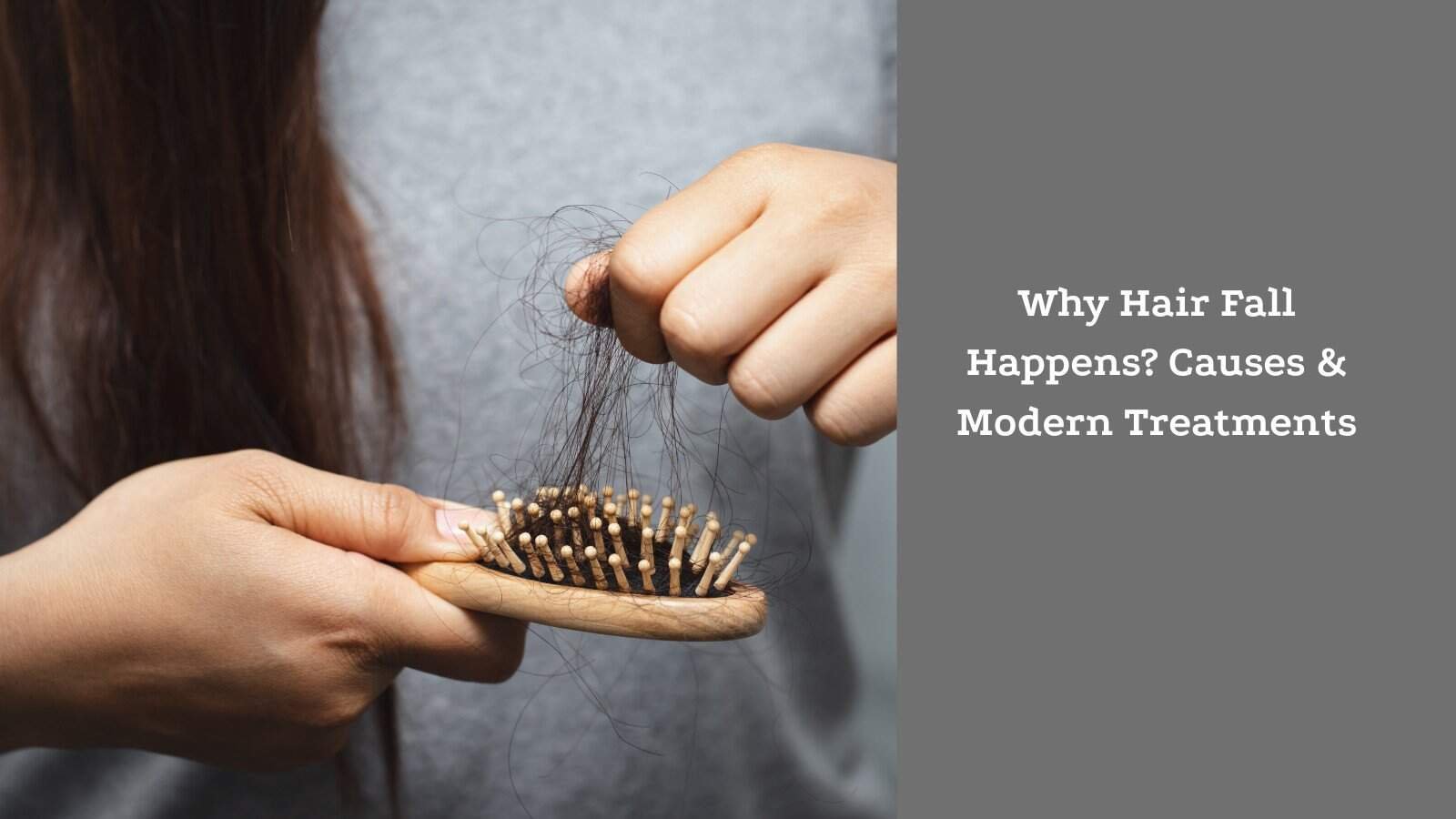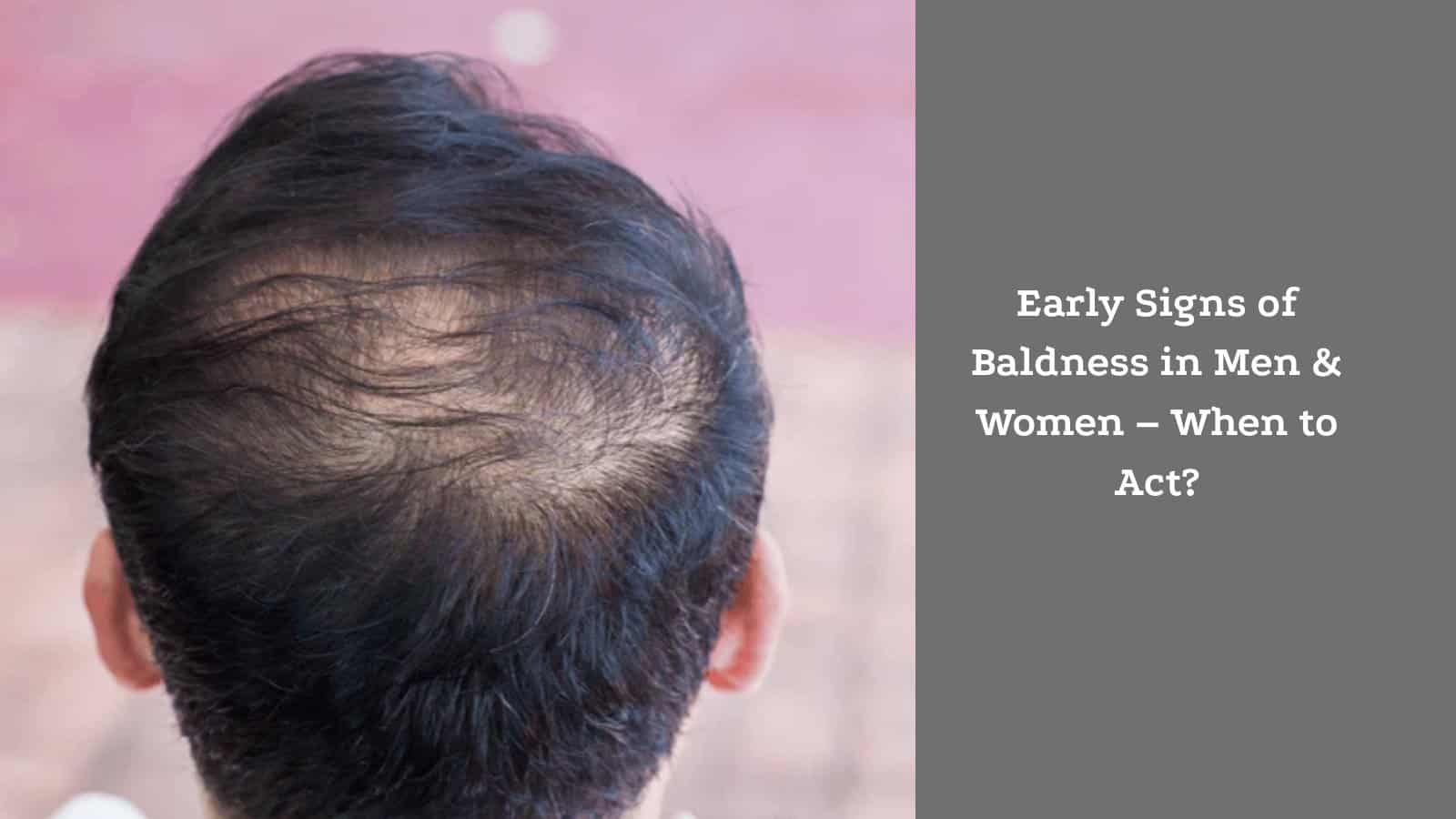


Hair loss can sometimes be a visible sign of an underlying health condition rather than a cosmetic issue alone. One such condition is celiac disease, an autoimmune disorder that affects nutrient absorption and overall health. Many patients ask an important question: Is there a connection between celiac disease and hair loss?
What Is Celiac Disease?
Celiac disease is an autoimmune condition in which consuming gluten (found in wheat, barley, and rye) triggers an immune response that damages the small intestine. This damage interferes with the absorption of essential nutrients such as:
- Iron
- Zinc
- Vitamin D
- Biotin
- Protein
Poor nutrient absorption plays a key role in hair health.
Can Celiac Disease Cause Hair Loss?
Yes. Celiac disease can directly and indirectly cause hair loss. Hair follicles are highly sensitive to nutritional deficiencies and autoimmune activity. When the body is unable to absorb vital nutrients or is under chronic immune stress, hair growth is often affected.
Hair loss may even appear before digestive symptoms, making it an early warning sign in some individuals.
How Celiac Disease Leads to Hair Loss
1. Nutritional Deficiencies
Damage to the intestinal lining reduces absorption of key hair-supporting nutrients:
- Iron deficiency → hair thinning and excessive shedding
- Zinc deficiency → weak hair shafts and slow growth
- Biotin deficiency → brittle hair and breakage
2. Autoimmune Response
Celiac disease is an autoimmune condition. In some cases, the immune system may also target hair follicles, contributing to conditions such as alopecia areata, which causes patchy hair loss.
3. Chronic Inflammation & Stress
Persistent inflammation and physical stress caused by untreated celiac disease can push hair follicles into the resting phase, leading to telogen effluvium (diffuse hair shedding).
Types of Hair Loss Linked to Celiac Disease
- Telogen Effluvium – diffuse thinning due to nutritional stress
- Alopecia Areata – patchy hair loss due to autoimmune overlap
- Diffuse Thinning – especially in women
Identifying the pattern helps guide treatment.
Symptoms That May Accompany Hair Loss in Celiac Disease
Along with hair loss, patients may experience:
- Fatigue
- Weight loss
- Anemia
- Digestive discomfort
- Brittle nails
- Skin issues
Not all patients show classic gastrointestinal symptoms.
Diagnosing the Link Between Celiac Disease and Hair Loss
If unexplained hair loss is present, doctors may recommend:
- Blood tests for celiac antibodies
- Nutritional deficiency panels
- Scalp and hair examination
Early diagnosis can prevent long-term complications.
Can Hair Grow Back After Treating Celiac Disease?
In many cases, hair regrowth occurs once celiac disease is properly managed. Key steps include:
- Strict gluten-free diet
- Correcting nutritional deficiencies
- Reducing inflammation
Hair regrowth may take 3–6 months after treatment begins.
When Hair Loss Persists: Treatment Options
If hair loss does not fully reverse, additional options may be considered:
- Medical treatment for alopecia areata
- PRP therapy (in select cases)
- Hair patch for cosmetic coverage
- Hair transplant (only if hair loss stabilizes)
A medical evaluation is essential before any cosmetic solution.
Celiac Disease, Hair Loss & Hair Transplant: Important Note
Hair transplant is not recommended until:
- Celiac disease is well-controlled
- Nutrient levels are normalized
- Hair loss has stabilized
Treating the root cause always comes first.
Frequently Asked Questions
Is hair loss an early sign of celiac disease?
Yes. In some patients, hair loss appears before digestive symptoms.
Can a gluten-free diet stop hair loss?
Yes. A strict gluten-free diet can significantly improve hair growth over time.
Is alopecia areata linked to celiac disease?
Yes. Both are autoimmune conditions and can coexist.
How long does hair regrowth take after treating celiac disease?
Usually 3–6 months, depending on nutrient recovery and overall health.
Should I see a dermatologist or gastroenterologist?
Ideally both, to treat the underlying disease and hair loss together.
Final Thoughts: Treat the Cause, Not Just the Hair Loss
The connection between celiac disease and hair loss highlights the importance of addressing underlying health issues. Hair loss can be an early signal of internal imbalance not just a cosmetic concern.